Top Maryland Vein Doctors
What is a Vein Specialist Called? And Other FAQs
What is a vein specialist called?
A vein specialist is a physician who is trained and experienced in the diagnosis and treatment of conditions that affect the veins. Vein specialists are also known as phlebologists. The most common condition that vein specialists treat is varicose veins. Varicose veins are enlarged, twisted veins that can be painful and cause ulcers. Other conditions that vein specialists treat include spider veins, deep vein thrombosis (DVT), and venous insufficiency.
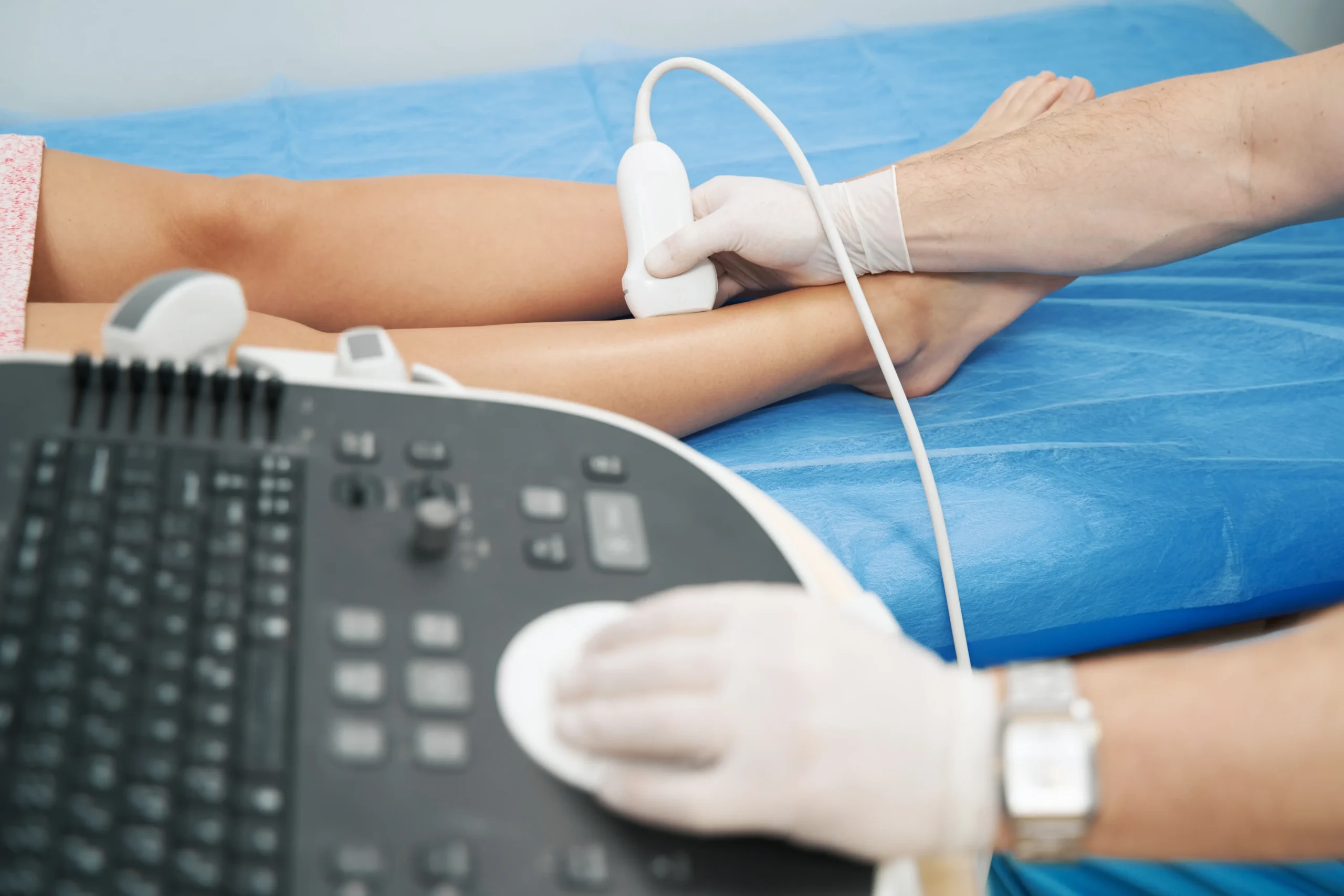
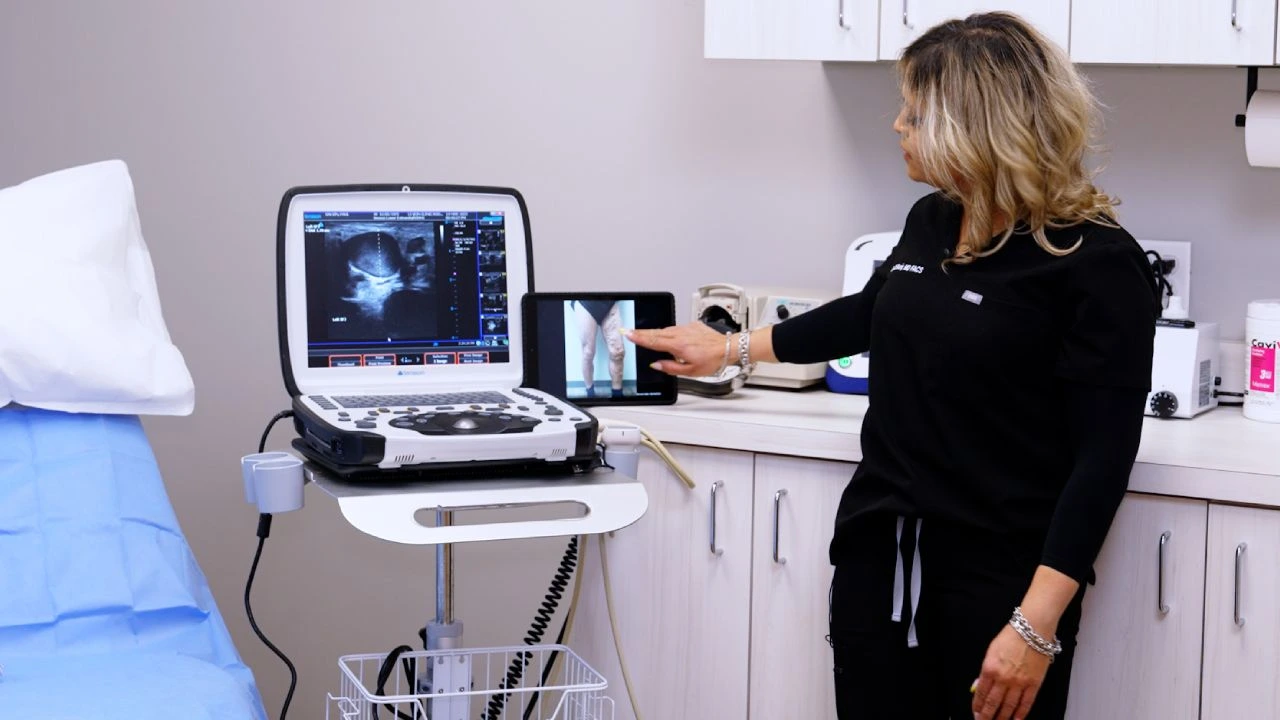
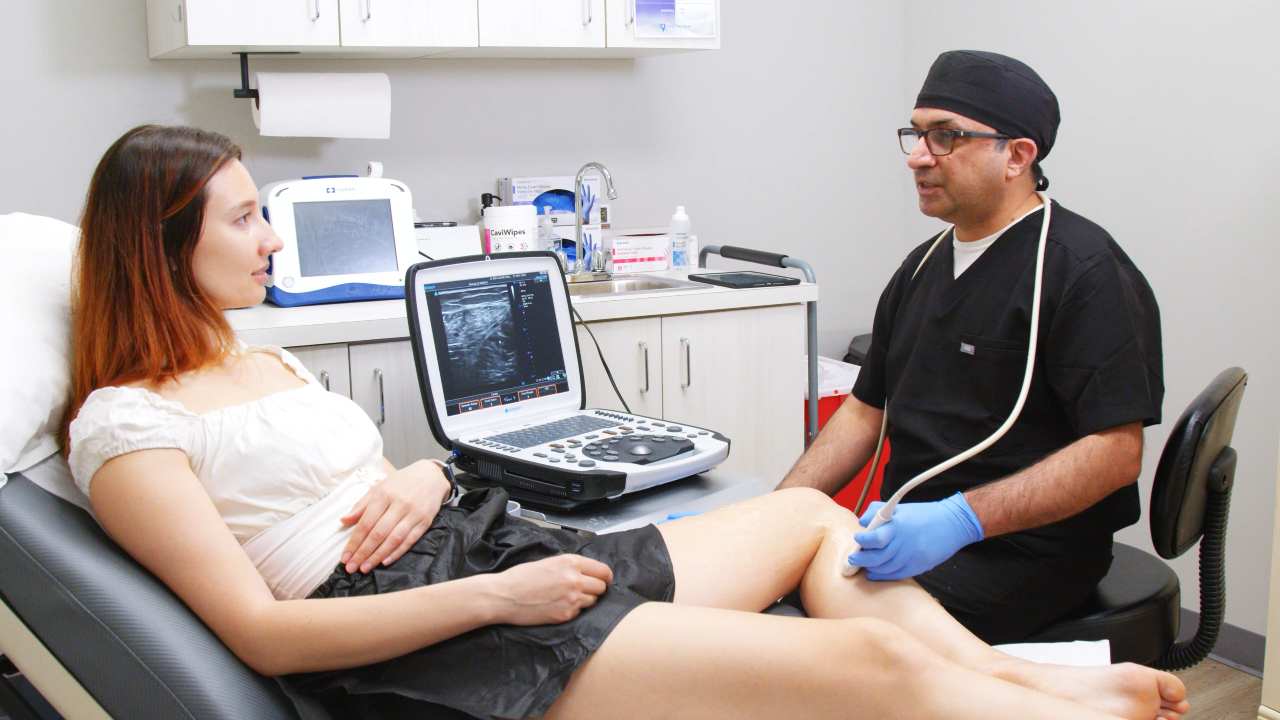
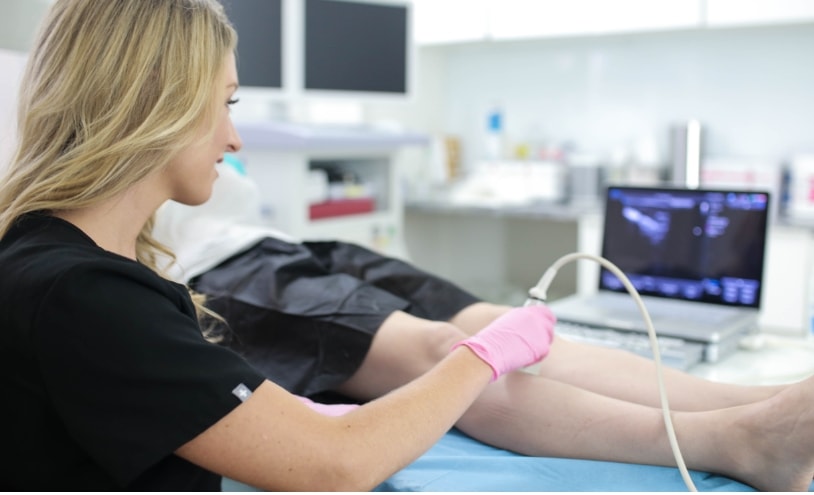
Vein specialists use a variety of techniques to diagnose and treat vein conditions. These include ultrasound, venography, sclerotherapy, and endovenous laser ablation. Ultrasound is a painless, non-invasive test that uses sound waves to visualize the veins. Sclerotherapy is a procedure in which a solution is injected into the spider veins to shrink them. Endovenous laser ablation is a procedure in which lasers are used to destroy the vein responsible for your vein problems.
Maryland Vein Treatment is led by board-certified vein doctors specializing in cutting-edge vein diagnosis and treatment solutions. Our vein doctors carefully diagnose the root cause of your vein problems and administer the latest minimally invasive procedures to remove the diseased saphenous veins, following which the spider veins and varicose veins slowly fade away. You can find our medical center for vein treatment in Bethesda, Maryland, just outside Washington, DC.
Please schedule an appointment to explore your vein treatment options.
What is the phlebology definition?
The phlebology definition is the medical study of veins and the disorders that can affect them. This includes both the superficial veins (the ones you can see just below the skin) and the deep veins (which are located deep within the body). Veins are important because they carry blood back to the heart. If they become blocked or damaged, blood can pool in the veins and cause a variety of problems.
There are many different disorders that can affect veins. Some of the more common ones include:
- Varicose veins: These are enlarged, twisted veins that are usually found on the legs. They are common and usually not painful but can sometimes lead to other problems.
- Spider veins: These are small, red, purple, or blue veins that are close to the surface of the skin. They are usually found on the legs or face.
- Thrombophlebitis: This is a condition in which a blood clot forms in a vein. It can be either superficial or deep.
- Venous insufficiency: This is when the valves in the veins (which keep blood flowing in the right direction) are not working properly. This can cause blood to pool in the veins and lead to varicose veins.
There are many other conditions that can affect veins, but these are some of the more common ones. If you are concerned about any veins in your body or if you have any symptoms of a vein disorder, you should see a vein doctor. They will be able to give you a complete phlebology definition and help you determine if you have a problem.
Why would you see a vascular doctor?
There are many reasons why someone might see a vascular doctor. For example, if you have been experiencing symptoms like leg pain, fatigue, or swelling in the legs, these could be signs of a circulation problem, and it would be a good idea to see a vascular doctor. Other reasons to see a vascular doctor include if you have had a previous heart attack or stroke, if you have a family history of vascular disease, or if you have diabetes.
A vascular doctor can help to diagnose and treat circulation problems. They will likely do a physical examination and may also order tests like an ultrasound. Based on the results, they may recommend lifestyle changes, medication, or minimally invasive vein treatments. If you are experiencing any symptoms that could be related to a circulation problem, it is a good idea to make an appointment with a vein doctor. By doing so, you could get a diagnosis and treatment that could help improve your quality of life.
We know health insurance is confusing so we will help you check if you’re covered:
FREE Coverage Checker:
What is the newest treatment for varicose veins?
One of the newest treatments for varicose veins is endovenous laser therapy (EVLT). This minimally invasive procedure uses a laser to heat and seal the veins. EVLT is usually done in an outpatient setting, and you can usually return to your normal activities on the same day. Another newer treatment is radiofrequency ablation (RFA). This procedure also uses heat to destroy the veins. But instead of a laser, RFA uses radio waves. RFA is also minimally invasive and is done on an outpatient basis.
If you're considering either of these procedures, be sure to talk to a vein specialist. They can help you understand the risks and benefits and decide if either treatment is right for you.

Visit Our Maryland Vein Treatment Center
How can I improve circulation in my legs and feet?
There are many things that you can do to improve circulation in your legs and feet. The following are some suggestions:
- Exercise regularly. Walking, swimming, and bicycling are all excellent exercises for improving circulation.
- Wear comfortable shoes. Shoes that are too tight can constrict blood vessels and impede circulation.
- Avoid crossing your legs. This can cause blood vessels to become pinched and circulation to decrease.
- Elevate your legs when possible. This allows gravity to help blood flow back to your heart.
- Massage your legs and feet. This helps to loosen up any knots or tension that may be impeding circulation.
- Wear compression stockings. If you have a high risk of spider veins, varicose veins, and vein disease, you can wear compression stockings to prevent blood from accumulating in your leg veins. Compression stockings can reduce your risk of vein problems.
Following these suggestions can help to improve circulation in your legs and feet and minimize the risk of vein problems. And if you already have vein disease, these lifestyle changes can improve your symptoms and prevent the condition from worsening.