
Your Vein Treatment
Options in Maryland
Top Vein Doctors in Maryland Rank the Best Spider Vein and Varicose Vein Treatments
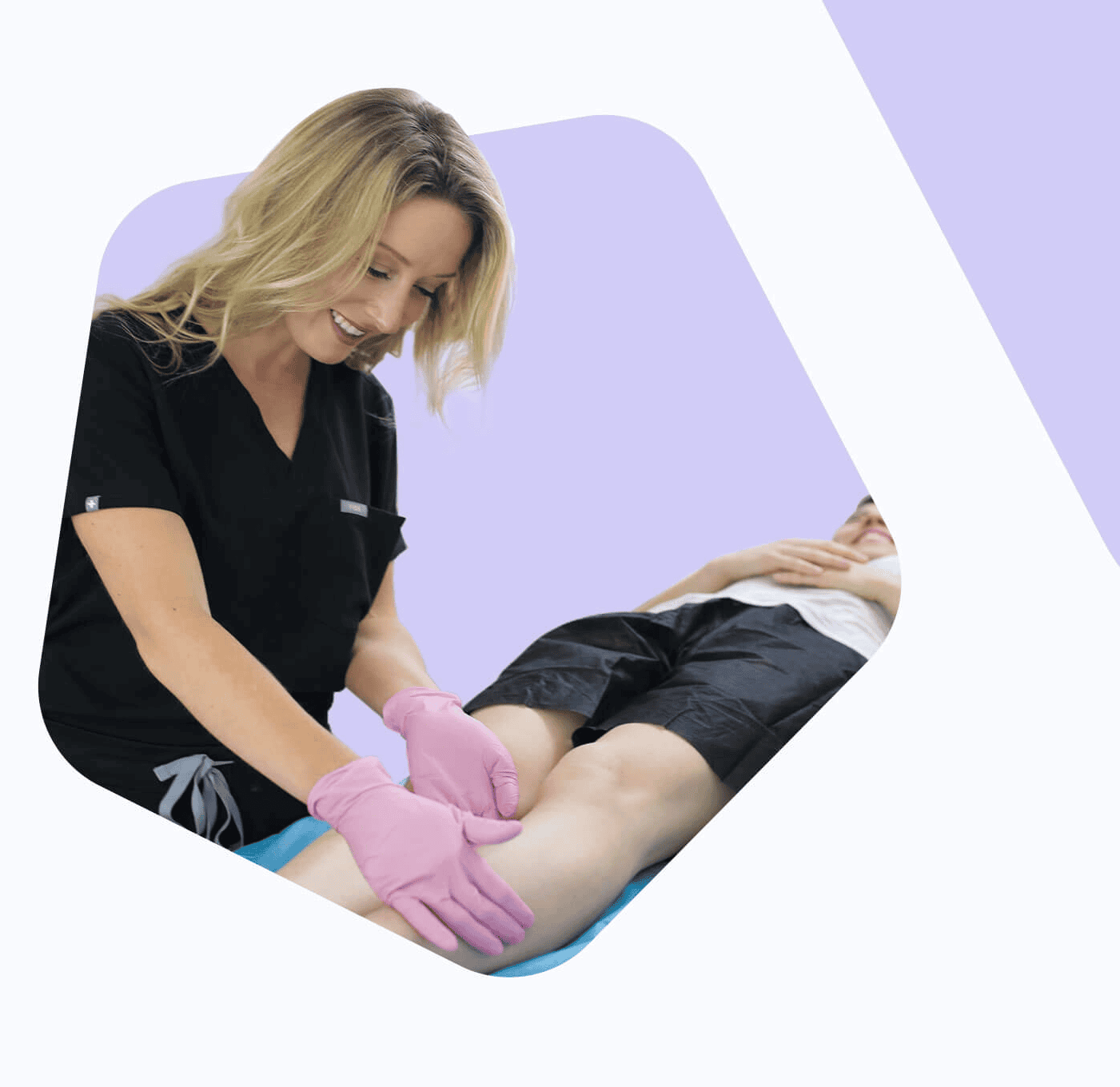
Are you Looking for Vein Treatment in Maryland? We Provide the Best Vein Treatment Options!
When it comes to spider vein and varicose vein treatments, you have numerous options to choose from. The abundance of options allows us to personalize all vein treatments according to your unique needs, ensuring optimal results with minimal side effects. But patients sifting through their options can often be overwhelmed. Our vein specialists in Maryland describe all the latest and safest vein treatments, including their pros, cons, insurance coverage potential, and possible side effects. We also help you identify the best vein doctors in Maryland for your vein treatments.
The medical field, in general, has made significant technological strides over the past decades. But it won’t be an exaggeration to state that technological advancements in the field of vein care have outpaced all other fields of medicine. In the past, vein treatments were complex, painful, and painstaking processes that involved hospitalization, multiple excisions, surgery, and extended downtime. Because of the complexity of vascular surgeries, most patients avoided treatment until they experienced major complications of vein disease. However, cutting-edge minimally invasive vein treatments allow us to address all vein conditions using simple, in-office techniques that involve minimal side effects, a negligible risk of complications, and no downtime. You can resume your daily activities and work immediately.
Before we describe the top minimally invasive spider vein and varicose vein treatments, we must explain some basic concepts about vein disease. Most people assume spider veins and varicose veins are cosmetic problems, but that’s simply not true. Most vein problems, including spider veins and varicose veins, are caused by chronic venous insufficiency, a dangerous circulatory disorder. Chronic venous insufficiency is a medical condition wherein the vein valves collapse or malfunction, and blood flows backward because of the force of gravity, eventually accumulating in the leg veins. The continued accumulation of blood in leg veins leads to increased pressure and the formation of dilated veins, also known as spider veins and varicose veins.
If you have chronic venous insufficiency, simply treating the visible spider veins and varicose veins won’t be enough — the vein problems will inevitably return. Our vein doctors in Maryland always diagnose and treat the root cause of your vein problems to ensure optimal, safe, and long-lasting results. When performed by a skilled and qualified vein doctor, venous insufficiency is easily treated. Please continue reading for a detailed description of your minimally invasive spider vein and varicose vein treatments in Maryland.
Your Vein Treatment Options

Endovenous
Ablation
Other Names: Ablation, Endovenous Radiofrequency Ablation, Endovenous Laser Ablation
Treats: Underlying chronic venous insufficiency, large varicose veins, and the symptoms of vein disease, such as leg heaviness, restless leg syndrome, throbbing leg veins, and leg cramps
What is endovenous ablation?
Varicose veins and spider veins are caused by chronic venous insufficiency, which, in turn, is caused by blood accumulation in saphenous veins located deeper underneath the skin. When vein valves collapse, blood flows backward and accumulates in the leg veins, leading to increased vascular pressure and the formation of spider veins and varicose veins. Endovenous ablation is a minimally invasive treatment that involves the ablation (destruction) of unhealthy saphenous veins using thermal energy (radiofrequency ablation) or laser energy (laser ablation). The diseased vein is absorbed by the body, and the accumulated blood reroutes into healthier leg veins to restore optimal blood circulation to the heart.
How does endovenous ablation work?
Endovenous ablation is one of the safest and least invasive techniques for the treatment of chronic venous insufficiency. During the procedure, the vein doctor administers local anesthesia to numb the skin’s surface and make a small incision, through which the vein doctor inserts a catheter into the diseased vein under ultrasound guidance. Once the catheter is in place, the vein doctor delivers tumescent anesthesia, which is a numbing fluid that insulates the surrounding tissues from thermal energy. The vein specialist activates the catheter to generate radiofrequency waves or laser energy, depending on the technique used. In both cases, the thermal energy destroys the diseased vein, and the accumulated blood reroutes into healthier veins. Both treatments are extremely effective, but some patients say laser ablation causes more post-treatment discomfort. Patients love these treatments because they can resume their daily activities and work immediately — no downtime or harsh side effects. The best vein doctors in Maryland will select the ideal ablation technique for you and explain the differences.

Pros
Endovenous ablation is safer and more effective than traditional vascular surgeries. The procedure concludes within 30 to 60 minutes and involves no hospitalization or downtime, so you can resume your daily activities immediately. Furthermore, endovenous ablation is considered a medically necessary procedure because it treats the root cause of your vein problems, so it’s covered by most insurance plans. It has a proven track record, and it’s widely considered the top choice for vein treatment by the most reliable vein doctors in Maryland.
Pros Summary:
- Safer and more effective than varicose vein surgery
- No downtime or harsh side effects
- Proven track record of safety and efficiency
- Covered by most major insurance plans

Cons
Endovenous ablation is extremely safe when performed by highly-skilled and trained vein doctors. But when it’s performed by inexperienced vein doctors using outdated techniques or technologies, there’s a higher risk of harsh side effects or complications, such as nerve injury. That’s why you must seek endovenous ablation from highly-skilled, board-certified vein doctors at state-of-the-art centers for vein treatment in Maryland.
Cons Summary:
- Must be performed by the most skilled vein experts
- Outdated techniques may lead to harsh side effects
Is Endovenous Ablation a Good Option for You?
Endovenous ablation is one of the most effective treatments for patients with chronic venous insufficiency. If you’re diagnosed with vein disease, you are most likely the ideal candidate for this procedure, especially since it’s covered by most insurance plans. Your vein doctor in Maryland will review your medical history and symptoms to determine if you should proceed with radiofrequency or laser ablation.

VenaSeal
Other Names:: Vein Glue
Treats: Underlying chronic venous insufficiency and its symptoms, such as leg heaviness, restless leg syndrome, throbbing leg veins, and leg cramps
What Is VenaSeal?
VenaSeal is a cutting-edge, minimally invasive vein treatment developed by Medtronic, the world’s leading producer of medical technologies. This method has only recently received FDA approval for the treatment of chronic venous insufficiency, but it has already shown brilliant results and outcomes. This treatment involves using a medical-grade adhesive known as cyanoacrylate glue to destroy the diseased saphenous vein responsible for your vein problems. This treatment doesn’t ablate the unhealthy vein; it seals them shut.
How is VenaSeal Performed?
During the VenaSeal procedure, the vein doctor administers local anesthesia and makes a small incision on the skin’s surface. Using ultrasound technology, the vein doctor identifies the precise location of the diseased vein and inserts a specialized catheter via the incision. Once the catheter’s tip is in place, the vein doctor delivers the medical glue into the diseased vein, sealing it shut. The medical glue travels along the walls of the vein, turning it into a hardened tissue eventually absorbed by the body. The accumulated blood reroutes into healthier veins.
Pros
VenaSeal doesn’t involve laser energy, radiofrequency energy, or tumescent anesthesia. Since this treatment doesn’t ablate the diseased vein, there’s absolutely no risk of nerve injury. And since it doesn’t involve using tumescent anesthesia, it doesn’t cause post-treatment swelling, and it’s more suitable for patients allergic to lidocaine, one of the most common ingredients in tumescent anesthesia. Furthermore, this treatment is more suitable for treating veins with multiple branches because the medical glue easily flows into the branches of the vein, closing off multiple pathways.
Pros Summary:
- One of the most advanced technologies for vein treatment
- Suitable for veins with multiple branches
- Suitable for patients with lidocaine allergies
- No risk of nerve injury
- Suitable for the treatment of vein disease recurrence
Cons
VenaSeal was FDA approved for the treatment of vein disease in 2015, so its long-term impact is still unknown. Because of its relative newness, it’s not covered by most insurance plans, so you may have to pay for it out-of-pocket. Furthermore, VenaSeal leaves an implant in the form of the hardened medical glue, which might be undesirable for some patients. There is also a small risk of allergic reactions to the medical glue.
Cons Summary:
- Long-term impact is not yet known
- Must be performed by the most talented vein doctors
- Vein glue remains within the body
- Minor risk of allergic reactions
- Not covered by all insurance plans
Is venaseal a good option for you?
VenaSeal is suitable for the treatment of diseased veins with multiple branches because it can instantly cover all the pathways in one session. This treatment is also suitable for patients with a history of vein disease, i.e., recurrent vein disease. Our vein doctors will also perform a thorough allergy test to ensure you’re not allergic to the medical glue, and we will review your insurance plans to determine if you’re eligible for coverage. Please note that most insurance providers don’t cover VenaSeal yet because it’s a relatively new procedure.

Sclerotherapy
Other Names: Saline Injections, STS, Salt Solution Injections, Cosmetic Sclerotherapy, Vein Injections
Treats: Small varicose veins and spider veins
What Is Sclerotherapy?
Sclerotherapy is the best spider vein treatment available. The sclerotherapy procedure involves the injection of a sclerosant medicine into unhealthy superficial varicose veins and spider veins. The sclerosant medicine is an irritant that forces spider veins to close and seal shut, making them smaller, lighter, and less visible.
How is Sclerotherapy Performed?
During the sclerotherapy procedure, the vein doctor will use ultrasound energy to visualize and identify the diseased spider veins and varicose veins. Depending on the depth of the unhealthy veins, the vein physician will inject the sclerosant medicine directly into the veins or use ultrasound guidance to deliver the sclerosant medicine into deeper veins. A sclerosant can be made using numerous formulations and medicines, including a concentrated salt solution known as hypertonic saline. In the past, sclerotherapy was performed using solutions that caused considerable pain and discomfort, such as hypertonic saline, but modern sclerotherapy procedures use formulations that are completely painless.
Pros
Sclerotherapy is performed using a liquid sclerosant medicine that easily flows into the diseased veins and all of their smaller branches. As such, this treatment is suitable for the treatment of tortuous and twisted spider veins that can’t be addressed with ablative techniques, such as radiofrequency ablation. This treatment is particularly suitable for the removal of superficial varicose veins and spider veins, and it offers instant results.
Pros Summary:
- Ideal treatment for spider veins and small varicose veins
- Provides immediate cosmetic relief from unhealthy veins
- No downtime or harsh side effects
- Painless and effective procedure
- Perfect treatment for tortuous veins with multiple branches
Cons
Sclerotherapy can be performed using numerous techniques and formulations. As such, different vein treatment centers use different medications and formulations for this treatment, and some use relatively cheaper medications that cause more discomfort, such as hypertonic saline. Furthermore, the sclerosant medicine also has to be diluted with sterilized water, and the vein doctor must understand how to reach the ideal concentration. An inexperienced vein doctor may not use the appropriate medicine or dosage, leading to insufficient results or harsh side effects and pain. Furthermore, if the vein doctor accidentally injects the sclerosant medicine into an artery instead of a vein, you may experience necrosis. That’s why you should only consult the most experienced vein doctors for sclerotherapy.
Cons Summary:
- Must be performed by the most talented vein doctors
- Results depend on the medication and dosage
- Possibility of complications if performed by an inexperienced vein doctor
Is sclerotherapy a good option for you?
Sclerotherapy is the perfect choice for patients with spider veins and superficial varicose veins without underlying chronic venous insufficiency. This is primarily a cosmetic treatment that removes the visible spider veins, making your legs look beautiful, but it doesn’t address underlying vein disease. As such, your vein doctor should only recommend sclerotherapy after the primary vein treatment or if you don’t have vein disease, as confirmed after a diagnosis.

Foam Sclerotherapy
Also known as: Foamed Sclerotherapy, chemical ablation
Best For: Small or large varicose veins
What is foam sclerotherapy?
Foam sclerotherapy is a minimally invasive procedure wherein a foamy formulation of a sclerosant medicine is used to close off large, tortuous varicose veins. Traditional (liquid) sclerotherapy is only suitable for small varicose veins and spider veins because the vein doctor can only use a limited concentration of sclerosant medicine. Foam sclerotherapy fixes that problem — the sclerosant medicine is agitated with air to produce a foamy mix that can cover more space, making it suitable for large varicose veins without increasing the sclerosant dose.
How is Foam Sclerotherapy Performed?
During the foam sclerotherapy procedure, the vein doctor will use ultrasound energy to visualize and identify the location of the diseased varicose veins. The vein doctor will administer local anesthesia to ensure comfort and make a small incision on the skin’s surface. Next, they will use two syringes to mix air and the liquid sclerosant medicine, thus creating a foamy solution. The foam sclerosant solution is carefully injected into the superficial varicose veins under ultrasound guidance. The treatment concludes within 30 minutes.
Pros
The foam sclerotherapy procedure allows the vein doctor to remove large varicose veins using the same dose of sclerosant medicine as liquid sclerotherapy, ensuring safe and consistent results. Furthermore, the foam sclerosant solution easily flows into the vein and its branches, making it suitable for the treatment of large, tortuous varicose veins. This treatment is also suitable for the treatment of vein disease recurrence.
Pros Summary:
- Suitable for tortuous veins
- Suitable for the treatment of recurrent vein disease
- Covers a larger area with a smaller volume of medication
Cons
Foam sclerotherapy is a delicate procedure that must be handled by our highly-skilled and board-certified vein doctors. Your vein specialist must assess the varicose vein for connections with perforating veins (deeper veins within the legs) and ensure no medication enters the perforating veins. Our vein doctors take all necessary precautions to ensure you have a safe and comfortable experience.
Cons Summary:
- Must be performed by the most talented vein doctors
Is foam sclerotherapy a good option for you?
Foam sclerotherapy is the perfect treatment for patients with large varicose veins and reticular veins, i.e., veins that are larger than spider veins but smaller than varicose veins. However, this is a cosmetic treatment that can only remove visible veins without addressing the root cause, so it should be performed after the primary vein treatment or if you don’t have venous insufficiency. Our vein doctors will run diagnostic tests and evaluate your condition to determine if you’re the right candidate for foam sclerotherapy.

Pre-Mixed Foam Sclerotherapy
Other Names: Foam Sclerotherapy
Treats: Chronic venous insufficiency, large varicose veins, and the symptoms of vein disease, such as leg fatigue, restless legs, cramps, and leg heaviness
What is pre-mixed foam sclerotherapy?
Pre-mixed foam sclerotherapy is pretty much the same as foam sclerotherapy, but with one major difference. This treatment is performed using a pre-mixed canister of foam sclerosant medicine. The vein doctor doesn’t have to mix air with liquid sclerosant to create a foamy solution within the office. Pre-mixed foam sclerotherapy might be safer because there have been instances of air embolism with traditional foam sclerotherapy. When liquid sclerosant is mixed with room air, the foam solution may contain air bubbles that move through the bloodstream and into the lungs, causing an embolism. The pre-mixed foam sclerosant solution has a higher concentration of nitrogen and carbon dioxide, so the sclerosant medicine deactivates more quickly than with traditional foam sclerotherapy, making it safer and more precise.
How is Pre-Mixed Foam Sclerotherapy Performed?
Pre-mixed foam sclerotherapy is performed using similar techniques as other sclerotherapy procedures. The vein doctor uses ultrasound guidance to identify the location of the large varicose veins and reticular veins. The vein doctor doesn’t have to agitate liquid sclerosant with air because they can simply use the pre-mixed foam solution. After careful inspection, the foam sclerosant solution is injected into the varicose veins and reticular veins under ultrasound guidance. The vein doctor must ensure the solution travels into the varicose veins but doesn’t reach deeper veins. The treatment concludes within 30 minutes, and it doesn’t cause any pain or discomfort.
Pros
Pre-mixed foam sclerotherapy is the perfect cosmetic treatment for large, tortuous varicose veins with multiple branches. It’s a suitable alternative to the surgical removal of varicose veins because it doesn’t involve multiple incisions. Furthermore, since the pre-mixed foam medicine comes in a canister, it negates the possibility of human error in creating a foam sclerosant mix. This treatment is also effective for patients with vein disease recurrence.
Pros Summary:
- Ideal alternative to varicose vein surgery
- Safer than traditional foam sclerotherapy
- Suitable for the treatment of vein disease recurrence
Cons
Pre-mixed foam sclerotherapy must be performed by a highly skilled and experienced vein doctor who understands vein mapping. That’s because the vein doctor must ensure the sclerosant solution reaches all the varicose veins’ branches but without reaching the deeper veins — that’s a delicate balance to maintain. Furthermore, pre-mixed foam sclerotherapy isn’t covered by most insurance plans, so it might be fairly expensive for some people.
Cons Summary:
- Must be performed by highly-skilled vein experts
- Must prevent the solution from reaching deeper veins
- Not covered by all insurance plans
Is pre-mixed foam sclerotherapy a good option for you?
Pre-mixed foam sclerotherapy is a suitable alternative to traditional foam sclerotherapy, especially if you have superficial varicose veins and reticular veins. However, this treatment should only be offered after the primary vein treatment or if you don’t have underlying chronic venous insufficiency. Please talk to your doctor about your financing options and insurance coverage options because this treatment isn’t covered by most insurance plans.
ClariVein
Also known as: Infusion catheter, mechanochemical ablation
Best For: Venous insufficiency symptoms, spider veins, and varicose veins
What Is ClariVein?
ClariVein is a unique, cutting-edge, minimally invasive treatment that combines mechanical agitation and chemical disruption in the treatment of chronic venous insufficiency. The ClariVein device is a specialized catheter with a rotating wire tip that physically damages the diseased vein’s walls while delivering a sclerosant medicine to seal it shut. This treatment is particularly suitable for the treatment of extremely large, tortuous, and twisted veins with multiple branches.
How is ClariVein Performed?
During the ClariVein procedure, the vein doctor administers local anesthesia and makes a small incision on the skin’s surface. After identifying the diseased vein using ultrasound guidance, the vein doctor inserts a specialized catheter with a rotating wire tip via the incision. Once the catheter is lodged in place, the vein doctor activates it — the rotating wire destroys the diseased vein’s walls while secreting the sclerosant medicine. The ClariVein device is moved all along the diseased vein to destroy it completely, rerouting the accumulated blood into healthier veins.
Pros
ClariVein is an extremely small device, so it can easily move through tortuous veins with multiple small branches. This treatment doesn’t involve tumescent anesthesia, so there’s no risk of allergies to lidocaine. And unlike VenaSeal, this treatment doesn’t leave a permanent implant in the body.
Pros Summary:
- No tumescent anesthesia
- No risk of allergies
- Suitable for large tortuous veins
- Doesn’t leave a medical implant
Cons
ClariVein may cause slight discomfort, especially when performed by inexperienced vein doctors. That’s because some vein doctors have reported difficulties in moving the device past vein valves, leading to discomfort. That’s why this treatment should only be performed by experienced vein doctors. Furthermore, ClariVein isn’t covered by a majority of insurance providers, so it can be fairly expensive for some patients.
Cons Summary:
- Not covered by most insurance providers
- May cause mild discomfort
- Must be performed by experienced vein doctors
Is Clarivein a good option for you?
ClariVein is a suitable alternative to ablation techniques if you have an allergic reaction to lidocaine, which is the primary ingredient in the tumescent anesthesia used during endovenous ablation. This treatment might be a suitable alternative to VenaSeal if you don’t want a medical implant left in your body.

Vein Clinic
Surgery
Other Names: Vein Removal, Vein Stripping, Phlebectomy
Treats: Large varicose veins
What Is Vein Stripping?
Traditional vein surgery, also known as vein stripping, is a complex procedure that involves hospitalization and downtime. The vein doctor makes an open incision to reach the diseased vein and extract it from the body using numerous techniques and tools.
How is Vein Stripping Performed?
During the vein stripping procedure, the vein doctor places the patient under general anesthesia, so they aren’t aware of anything. The vein doctor makes a large incision on the skin above the vein to reveal the diseased vein. Finally, numerous surgical tools are used to loosen and extract the vein from the body. The incision is sutured closed, following which the patient starts the recovery process.
Pros
Vein stripping might be necessary in rare cases when the diseased veins and varicose veins are too large for minimally invasive treatments. However, such cases are extremely rare.
Pros Summary:
- Might be the only option for extremely severe cases
Cons
Varicose vein surgery involves hospitalization, general anesthesia, a relatively high risk of complications, and extended downtime. Furthermore, the results aren’t as effective and precise as minimally invasive vein treatments. As such, vein stripping should only be considered in the rarest of cases if all other solutions prove ineffective.
Cons Summary:
- Minimally invasive treatments are safer, more effective, and more convenient
Is vein surgery a good option for you?
Vein surgery should only be considered a last resort option if all other minimally invasive vein treatment options fail. Your vein doctor may recommend vein stripping as the primary treatment in extremely rare cases if you have large varicose veins or blood clots in leg veins. Our vein doctors in Maryland always treat vein disease using minimally invasive techniques, and we only recommend vein surgery if absolutely necessary.
Do you have other questions and concerns about minimally invasive vein treatments in Maryland? Please talk to our exceptionally trained and skilled vein doctors in Bethesda, Maryland. Our board-certified vein doctors have a proven track record for providing excellent results without harsh side effects, surgeries, or downtime, so you can trust us with your vein care.
Select the Best Vein Doctors for the Ideal Minimally Invasive Vein Treatments in Maryland
You must speak with a highly skilled and experienced vein doctor at a reliable center for vein treatment in Maryland to explore your vein treatment options. Everyone is unique, and your vein treatment plan must be curated in accordance with your medical history, symptoms, diagnostic results, insurance coverage options, lifestyle, and numerous other factors. However, in order to experience the best vein treatment, you must select the best vein doctors in Maryland.
1
Highly-Skilled Vein Doctors:
1
Highly-Skilled Vein Doctors:
You must look for a medical center for vein treatment led by highly skilled, experienced, and board-certified vein doctors. In addition to excellent credentials, the vein doctor must listen to your unique concerns, have excellent bedside manners, and specialize in vascular imaging and minimally invasive vein treatments. The vein doctors at our centers for vein treatment meet all of those requirements, which is why they maintain a perfect track record.
2
Double Accredited Centers:
2
Double Accredited Centers:
You must find a center for vein treatment that’s equipped with the latest technologies. The latest minimally invasive vein treatments rely heavily on advanced technologies. As such, you should look for medical centers that are accredited by the Intersocietal Accreditation Commission, an organization that officially recognizes medical centers that meet all of their strict guidelines. Our centers for vein treatment are double accredited in vascular imaging and vein treatment, which means you can be guaranteed the highest quality of vein care.
3
Thorough Evaluations:
3
Thorough Evaluations:
Some medical centers rush their patients through the diagnosis process. This is particularly true in vein care — doctors often recommend treatments before you’re even done listing your symptoms. Such a hurried evaluation is bound to cause harsh side effects or complications. Our centers for vein treatment believe in thorough evaluations — our vein doctors listen to your symptoms, discuss your goals, review your medical history, and truly understand your concerns to curate the ideal treatment plans.
4
Vascular Imaging Tests:
4
Vascular Imaging Tests:
You must find a center for vein treatment in Maryland where the vein doctors specialize in vascular imaging. In most cases, vascular imaging is handled by ultrasound technicians. But minimally invasive vein treatments are performed under ultrasound guidance, so the vein doctor must have specialized training in vascular imaging themselves. They must also use vascular imaging before the treatment to diagnose the root cause of your conditions.
5
Personalized Vein Treatment:
5
Personalized Vein Treatment:
No individual vein treatment is suitable for everyone. You have unique anatomical considerations, symptoms, goals, lifestyle, insurance plans, and more, so your vein treatment should also be unique. The Maryland Vein Treatment Center curates highly personalized vein treatment plans according to your unique considerations, ensuring optimal, consistent, and safe results. That’s why all of our vein treatments are a resounding success!

Not sure if you’re covered or which procedure to choose?
Fill out this form and we will contact you asap.
All vein treatments are covered by most health insurance, including medicare. Submit this form to verify coverage and book a consultation. Once you visit us, one of our vein doctors will create a custom treatment plan for you.


Coverage Checker:
Contact Us

Contact Us
If you have any questions or concerns about your vein treatments or insurance coverage, please give us a call. Our team members will answer your questions and help you schedule an appointment at your nearest center for vein treatment in Maryland.

Book Online
You can visit our Schedule Appointment page to instantly request an appointment at your nearest center for vein treatment in Maryland. We also offer free insurance verification, which you can claim before the appointment.

Get Directions
We provide detailed directions to the Maryland Vein Treatment Center.