Top Maryland Vein Doctors
6 Effective Vein Treatments With Minimal Pain
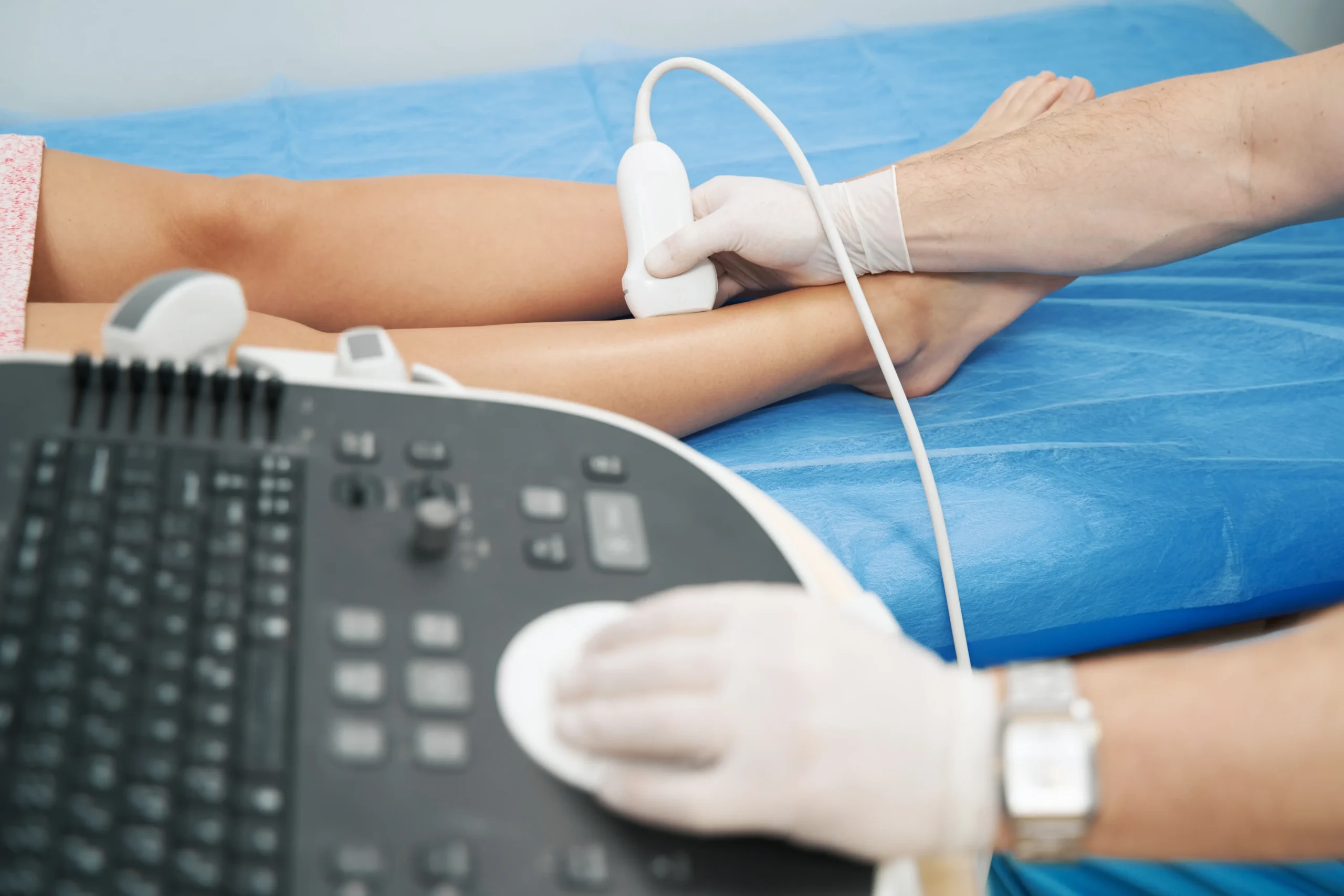
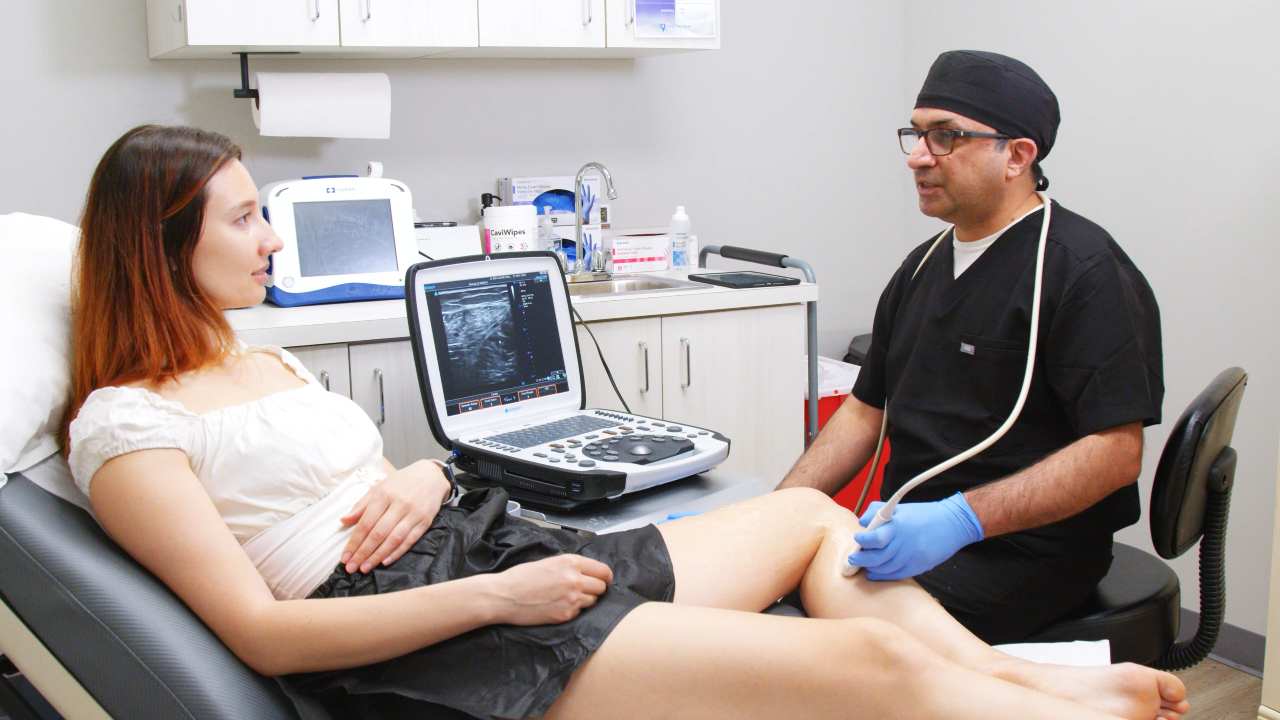
If you're suffering from painful varicose or spider veins, you're not alone. Millions of people worldwide experience discomfort, swelling, and unsightly veins on their legs. Fortunately, there are effective vein treatments available to alleviate these issues. At Maryland Vein Treatment, led by board-certified vein doctors, we specialize in minimally invasive procedures designed to treat vein-related problems with minimal pain and downtime.
#1. Compression Stockings
Compression stockings are non-invasive garments that provide graduated pressure to the legs. When you wear compression stockings, they apply the highest pressure at the ankle and gradually decrease pressure as they move up the leg. This graduated compression helps improve venous blood flow by squeezing the veins, aiding the return of blood to the heart against gravity. By doing so, compression stockings reduce venous pooling, minimize swelling, and alleviate discomfort associated with varicose veins.
Benefits:
- Reduce swelling and discomfort by promoting better blood flow in the legs
- Prevent the progression of vein issues and complications like deep vein thrombosis (DVT)
- Does not require any needles, incisions, or medications
Pain Level
Wearing compression stockings is generally painless. Most individuals describe the sensation as a comfortable, snug fit on their legs. During the initial application, you may feel a slight pressure or tightness as the stockings conform to your legs. However, this sensation usually dissipates quickly as your legs adapt to the compression. The mild initial discomfort is far outweighed by the benefits of improved circulation and reduced swelling.
#2. Sclerotherapy
Sclerotherapy is a minimally invasive procedure used to treat spider and small varicose veins by inducing sclerosis, i.e., the hardening and closure of affected veins. A specially formulated sclerosant solution is injected directly into the target veins. This solution irritates the vein's inner lining, causing it to swell, stick together, and eventually seal shut. Over time, the body absorbs the sealed vein, rerouting blood flow to healthier veins. The treated vein becomes less visible, improving both aesthetics and overall vascular health.
Benefits:
- Highly effective at treating small to medium-sized varicose and spider veins
- Requires only a tiny needle, so there is minimal discomfort and no need for anesthesia
- Patients can typically return to their normal activities shortly after treatment
Pain Level
Patients may experience a slight stinging or pinprick sensation at the injection site when the sclerosant solution is administered. This sensation is typically short-lived and well-tolerated. Post-procedure, some individuals may notice minor discomfort or itching at the treatment area, but this is temporary and can be managed with over-the-counter pain relief or soothing creams. Overall, the pain level associated with sclerotherapy is generally considered very low.
#3. Endovenous Laser Ablation (EVLA)
Endovenous Laser Ablation (EVLA) is a minimally invasive procedure used to treat varicose veins. During EVLA, a small catheter is inserted into the affected vein, typically in the leg. The catheter delivers laser energy directly to the vein's interior. The laser energy heats the vein wall, causing it to collapse and seal shut. As a result, blood is rerouted to healthier veins, and the treated vein is gradually absorbed by the body. This method eliminates varicose veins.
Benefits:
- High success rate in treating larger varicose veins
- Requires only a small incision
- Doesn't involve the use of anesthesia
- Immediate relief from painful symptoms
- Significant improvement in the appearance of the legs
- Can treat the root cause of varicose veins — venous insufficiency
Pain Level
Endovenous Laser Ablation (EVLA) is generally well-tolerated by patients. You may experience a mild sensation of heat or warmth as the laser energy is applied to the vein. This sensation is usually manageable and brief. Post-procedure discomfort is typically minimal, with some individuals reporting a mild soreness or tightness in the treated area. Any discomfort can often be alleviated with over-the-counter pain relievers.
We know health insurance is confusing so we will help you check if you’re covered:
FREE Coverage Checker:
#4. Radiofrequency Ablation (RFA)
Radiofrequency Ablation (RFA) is a minimally invasive procedure used to treat varicose veins. It involves the use of radiofrequency energy delivered through a small catheter inserted into the affected vein. The radiofrequency energy generates heat, which causes the vein wall to contract and seal shut. Blood is then redirected to healthier veins while the treated vein gradually undergoes absorption by the body. RFA effectively eliminates varicose veins, improves circulation, and reduces painful symptoms.
Benefits:
- Effectively closes off problematic veins, reducing symptoms and the risk of complications
- Requires only a small incision, and most patients do not require anesthesia
- Patients typically resume normal activities within a short period after the procedure
- Can treat chronic venous insufficiency, the root cause of vein problems
Pain Level
Patients undergoing Radiofrequency Ablation (RFA) generally report minimal discomfort during the procedure. You may feel a sensation of warmth or mild heat in the treated area as the radiofrequency energy is applied. This sensation is typically well-tolerated. Post-procedure discomfort is usually mild and temporary, with some individuals experiencing minor soreness or tightness. Over-the-counter pain relievers can effectively manage any discomfort.
#5. VenaSeal
VenaSeal is a minimally invasive procedure that treats varicose veins by using a medical adhesive. During the procedure, a small amount of a specialized adhesive is injected directly into the affected vein. This adhesive seals the vein shut, effectively closing it off from the circulatory system. Blood is rerouted through healthier veins, and the sealed vein is gradually absorbed by the body's natural processes. VenaSeal offers an innovative and effective way to treat varicose veins without the need for heat or thermal energy.
Benefits:
- Does not use heat, reducing the risk of thermal-related complications
- Virtually painless, with most patients experiencing only mild discomfort during the injection
- Immediate relief from painful symptoms
- No need to wear compression stockings after treatment
- Can treat chronic venous insufficiency and varicose veins
Pain Level
VenaSeal is a remarkably well-tolerated procedure. Most patients report minimal discomfort during the procedure itself. The sensation is typically described as a mild discomfort or a brief pinprick sensation during the injection of the adhesive. Post-procedure discomfort is also minimal, with some individuals experiencing minor soreness or tightness at the treatment site. Overall, VenaSeal is known for its virtually painless nature.
#6. Ambulatory Phlebectomy
Ambulatory phlebectomy is a minimally invasive surgical technique to remove superficial varicose veins. It involves the precise removal of these veins through small, micro-incisions. Specialized hooks or instruments are used to grasp and gently extract the targeted veins. The procedure is typically performed under local anesthesia, ensuring patient comfort. Ambulatory phlebectomy effectively eliminates the appearance of visible varicose veins, providing both aesthetic improvement and relief from related symptoms.
Benefits:
- Allows for precise removal of visible varicose veins
- Requires only small incisions, minimizing discomfort and downtime
- Effective treatment for superficial varicose veins
- Produces immediate results
Pain Level
While ambulatory phlebectomy is a surgical procedure, it is often associated with minimal pain and discomfort. Patients typically receive local anesthesia to numb the treatment area, ensuring that they do not experience significant pain during the procedure. Some individuals may feel mild pressure or a pulling sensation as the veins are removed, but this is usually well-tolerated. Post-procedure, any discomfort is generally manageable with over-the-counter pain relievers.

Visit Our Maryland Vein Treatment Center
Post-Treatment Guidelines:
- Allow yourself time to rest after the procedure.
- Follow your doctor's instructions for post-treatment compression garment use.
- Light walking is encouraged, but avoid heavy lifting or vigorous exercise.
- Maintain good hygiene to prevent infection.
- Watch for redness, swelling, or discharge at the treatment site.
- If prescribed, take medications as directed for pain or inflammation.
- Proper hydration supports healing and circulation.
- Hot water can dilate blood vessels; stick to lukewarm showers.
- Eat a balanced diet to support healing and vein health.
- Ensure you attend all scheduled follow-up appointments.
- Notify your doctor immediately if you experience severe pain or excessive bleeding.
Lifestyle Changes to Improve Symptoms:
- Regular exercise, such as walking or swimming, can enhance circulation.
- Elevating your legs above heart level periodically can help reduce swelling and discomfort.
- Excess weight can put extra pressure on veins; maintain a healthy weight.
- Take breaks and avoid long periods of sitting or standing to prevent blood pooling.
- Follow your doctor's recommendations for wearing compression stockings regularly.
- Stay hydrated; proper hydration supports healthy blood flow.
- Incorporate foods rich in fiber, antioxidants, and omega-3 fatty acids to support vein health.
- Opt for comfortable, supportive footwear and clothing that doesn't restrict circulation.
- Gentle massages can promote blood flow in the legs.
Contact Us for Painless Vein Treatments
There are several effective vein treatments available, each with its unique advantages. The choice of treatment depends on the severity of your vein condition, and Maryland Vein Treatment, staffed by board-certified vein doctors, offers a range of minimally invasive procedures tailored to your specific needs. These treatments provide relief from painful symptoms, improve blood circulation, and enhance the aesthetic appearance of your legs. Contact us today for a consultation and free insurance verification.